Professional Roofing Services: Installation, Maintenance, Repair, and Replacement Solutions
Professional roofing services are crucial for preserving the safety and integrity of a home. Proper installation, quick repairs, and strategic replacements can significantly increase a roof's lifespan. Homeowners often ignore the value of regular maintenance, which can stop costly issues down the line. Comprehending the nuances of roofing solutions can assist homeowners. Yet, many are uncertain about how to choose the right approach for their particular needs.
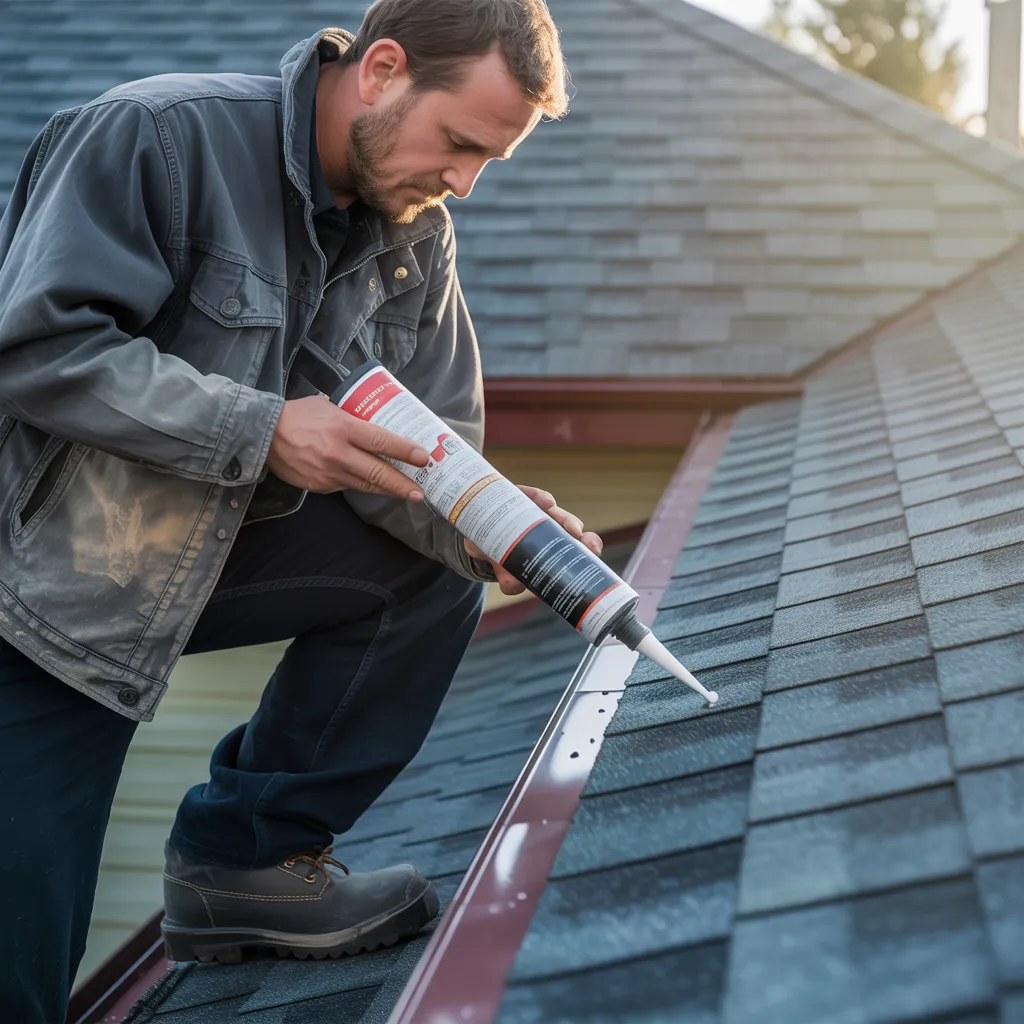
Value of a Professional Roof Installation
A correctly installed roof functions as the first line of defense against the elements, making the importance of quality roof installation paramount. A roof safeguards not only the structural integrity of a building but also the well-being and security of its occupants. Poor installation can lead to mold growth, leaks, and water damage, which can undermine the building's foundation and lead to significant repair costs. Additionally, a quality roof contributes to energy efficiency by providing appropriate insulation, lowering heating and cooling costs. It boosts the overall aesthetic appeal and market value of the property, making it a smart investment. Additionally, a professionally installed roof complies with local building codes and standards, providing safety and reliability. Homeowners should prioritize hiring experienced roofing contractors who understand the intricacies of various roofing materials and techniques, as this can greatly affect the performance and longevity of the roof. In the end, a sound installation establishes the foundation for long-term protection and peace of mind.
Standard Roofing Repairs with their Solutions
Several roofing problems can arise over time, calling for timely repairs to protect the integrity of a home. Common issues include leaks, missing or damaged shingles, and sagging roofs. Leaks commonly arise from worn-out flashing or compromised shingles, requiring immediate attention to avert water damage. Homeowners may need to replace missing shingles or repair damaged ones to maintain a watertight seal.
A common problem is the accumulation of debris in gutters, which can lead to water pooling and subsequent roof damage. Routine maintenance and cleaning can reduce this risk. Additionally, sagging roofs can indicate structural problems, demanding a professional evaluation to determine the underlying cause and appropriate solution.
Ultimately, dealing with these typical roofing repairs promptly not only protects the dwelling's structural integrity but also increases the lifespan of the roof, giving peace of mind to homeowners.
When to Think About a Roof Replacement
What signs indicate a homeowner should replace their roof? Various factors can indicate when roof replacement is necessary. Initially, age serves as an important consideration; roofing systems generally endure 20 to 30 years contingent upon material type. When a roof nears or surpasses this age range, homeowners should think about replacement.
Furthermore, apparent damage like curling, lost shingles, or severe granule loss indicates deterioration. Property owners should also inspect for moisture intrusion or water stains within the residence, as these can indicate concealed damage.
Another factor is the roof's structural integrity; sagging or uneven surfaces may point to serious problems that warrant a complete replacement. Furthermore, if repairs become frequent and costly, purchasing a new roof might be more economical read the information in the long run.
Finally, working with a professional can offer clarity on whether a roof replacement is necessary for guaranteeing safety and protection.
Standard Maintenance Procedures for Long-Term Durability
While many homeowners may overlook their roofs until problems arise, consistent maintenance routines are crucial for increasing the lifespan of roofing systems. Inspections should be conducted at least twice a year, emphasizing the discovery of potential concerns including lost shingles, splits, or evidence of water intrusion. Removing accumulation, including foliage and limbs, from the roofing and drainage systems stops moisture collection, which might trigger leaking and structural breakdown. Furthermore, handling small fixes quickly can avoid more significant harm and expensive restoration later. Property owners must also verify adequate airflow, since insufficient ventilation may result in temperature accumulation and humidity, weakening the roof's structural soundness. Finally, scheduling professional evaluations can provide a thorough assessment and expert recommendations tailored to the specific roofing system. Following these routine upkeep procedures ensures a roofing system stays in optimal state, shielding the residence from environmental factors and increasing its complete value.
Picking the Right Roofing Materials for Your House
When selecting roofing materials, homeowners need to consider numerous factors such as climate, budget, and aesthetic preferences to ensure a durable and visually appealing choice. Different materials present distinct advantages; for instance, asphalt shingles are cost-effective and suitable for diverse climates, while metal roofing ensures durability and energy efficiency.
In areas susceptible to severe weather conditions, slate or tile are often favored for their durability and resilience to extreme conditions. Furthermore, the architectural style of the home should guide roofing material decisions; traditional homes often work well with wood shakes or shingles, while modern designs may lean towards metal or flat roofing alternatives.
Budget constraints also play a significant role, as certain materials demand increased preliminary expenditures but could provide reductions in maintenance and energy bills over time. In the end, a careful approach to material selection ensures that homeowners reach a balance between practicality and visual charm.
Popular Questions
How Long Will a Standard Roof Installation Take?
A typical roof installation typically takes between one and three days, based on the roof size, complexity, and weather conditions. Factors such as the type of materials and crew experience also impact the total duration.
What Warranty Options Are Provided for Roofing Services?
Warranties on roofing services typically include materials coverage ranging from 20-50 years, and workmanship warranties, ranging from one to ten years. Coverage terms and timeframes vary by individual contractor and material type.
Is It Possible to Install a New Roof Over My Current One?
A new roof can be installed over an existing one, provided local building codes permit it and the structure can support the additional weight. However, thorough assessment and preparation are vital for long-term durability.
What Are the Warning Signs That Your Roof Needs Repair?
Signs that your roof needs repair include broken or missing shingles, roof leaks, sagging sections, ceiling water stains, significant granule accumulation in gutters, and mold or mildew that is visible. Prompt attention can prevent further damage.
In What Ways Do Weather Conditions Influence Roofing Projects?
Weather conditions greatly impact roofing projects. Rain delays installation, while extreme temperatures can affect materials' integrity. Windy conditions pose safety risks, and heavy snow can delay progress, demanding meticulous scheduling and timing for effective completion.